
Rural Conservation Efforts Deliver Benefits Far Beyond Property Lines
February 26, 2026
Gainesville, FL - Stetson University has released the results of an evaluation assessing the outcomes of Alachua Conservation Trust’s (ACT) five-year 2021-2026 “Surface to Springs” Regional Conservation Partnership Program (RCPP) documenting the benefits of land management and conservation easements to address resource concerns. Stetson’s role in the evaluation complements its commitment to work with landowners across the state to conserve private lands and improve land management through practices that conserve water and reduce agricultural runoff into our springs and drinking water.
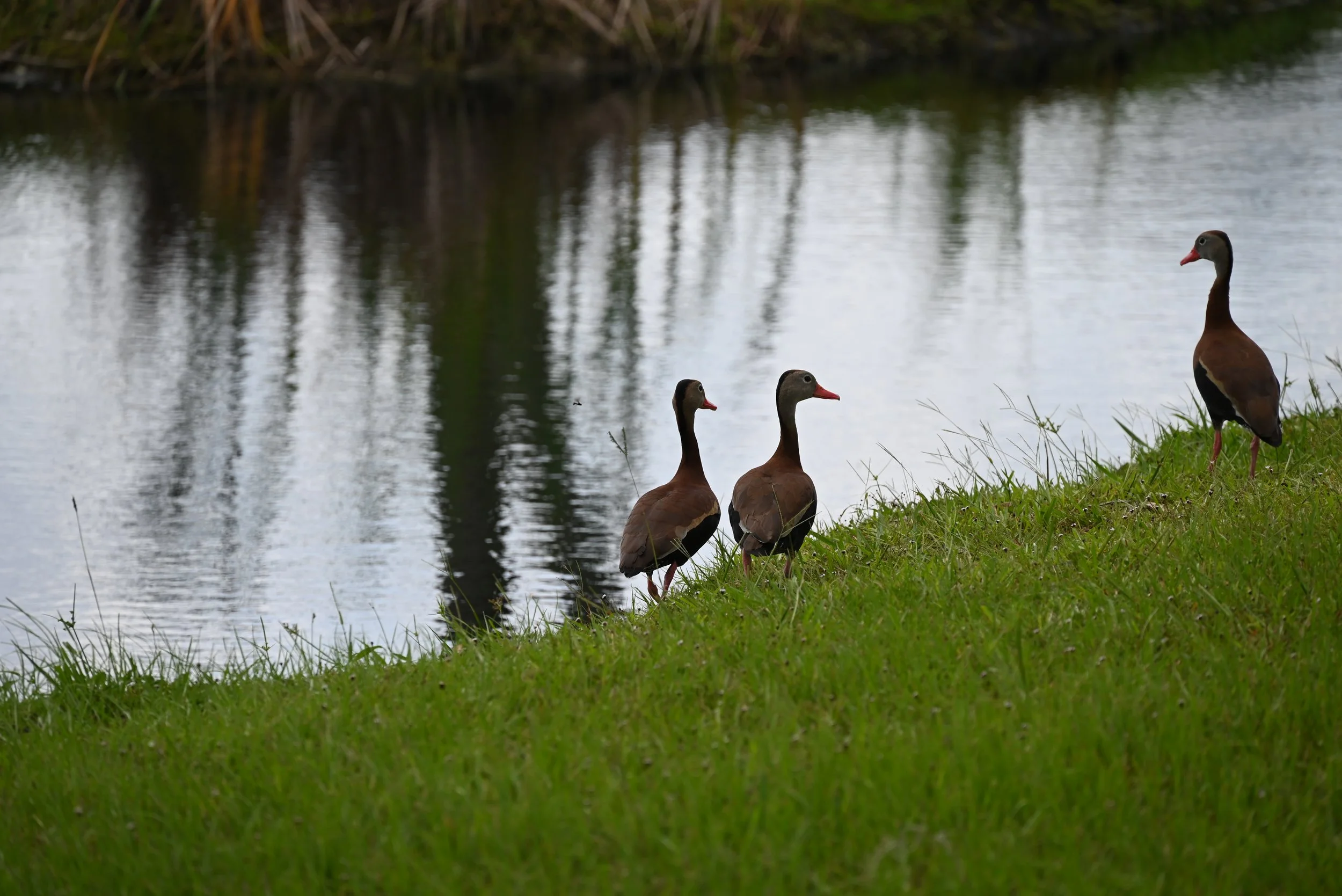
Photo from Stetson IWER
“This project demonstrates innovative approaches for stewarding water and land resources in direct partnership with rural landowners,” says Dr. Jason Evans, Executive Director at Stetson’s Institute for Water and Environmental Resilience (IWER). “IWER is proud to be a partner in this initiative that brings together farmers, foresters, and conservationists for the sake of both the natural environment and the sustainability of rural livelihoods."
The Surface to Springs (RCPP) is a collaborative cost-share program funded by the Natural Resources Conservation Service (NRCS) and coordinated by ACT in Gainesville, Florida. ACT designed the project to encourage farmers to conserve and protect water, soil and wildlife habitat through both conservation easements and a variety of land management practices, including prescribed burning, planting cover crops, and habitat restoration. The project distributed a combined total of $777,828 to 21 farmers for practices that protect and restore the environment. IWER’s assessment evaluated the economic, environmental, and regional community benefits of the program.
Stetson undergraduate student, Alex Faulkner, shares, “As an Economics major, I’m enjoying this unique opportunity through IWER to take a novel interdisciplinary approach in analyzing the impact of green space on the real estate market in the project’s region. In my research, we’ve found that homes within one mile of a conservation easement see a 14% increase in sales price. Research opportunities like these are really second to none in tying academic rigor to policy-driven projects, and I have obtained countless on-the-job skills that have prepared me for industry standards during my time at IWER.”
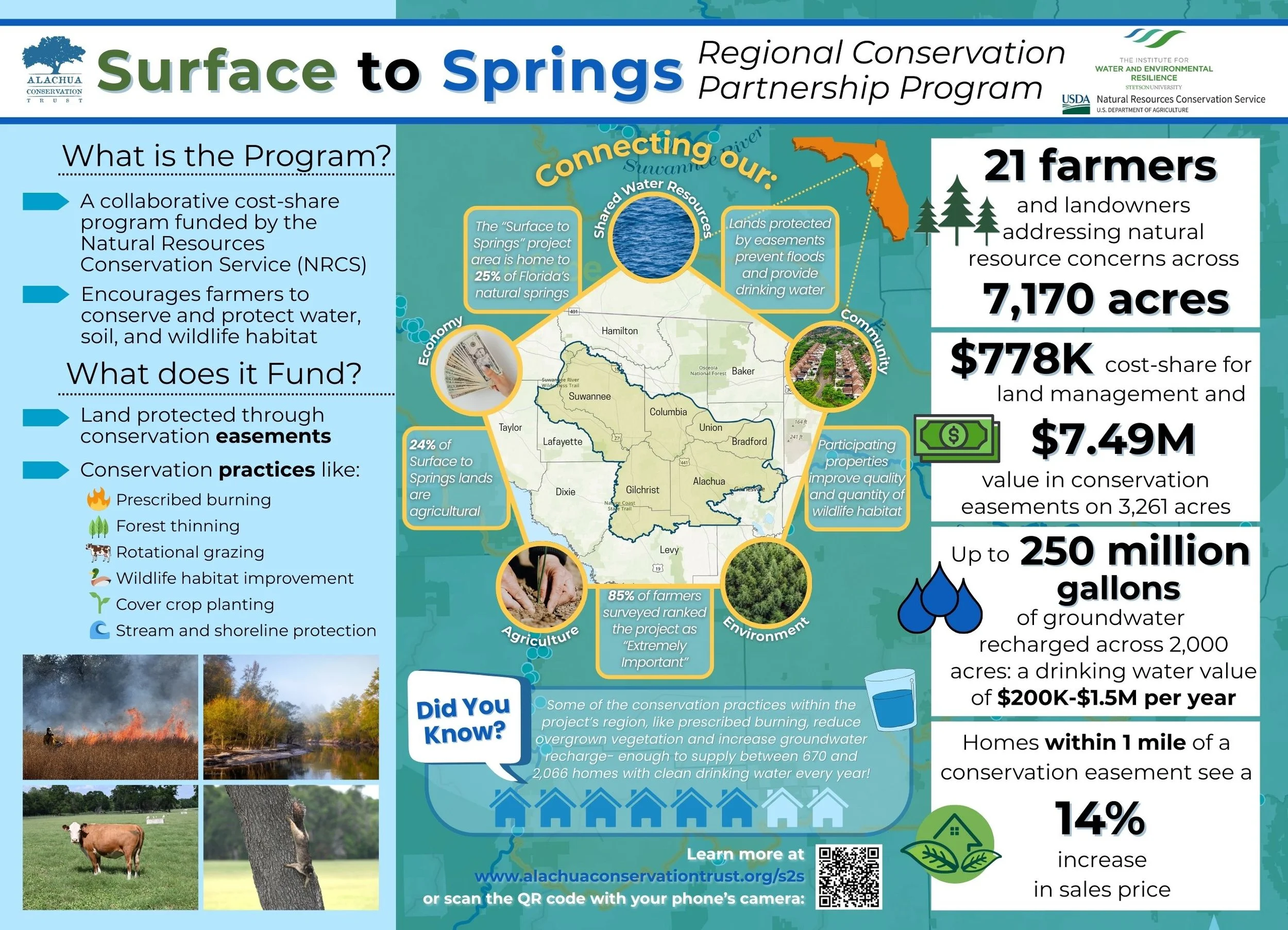
Infographic by Stetson IWER
Using the University of Florida’s North Florida Forest Water Yield Geospatial Tool, the Stetson Surface to Springs evaluation team measured the impacts of land management practices on 2,000 acres in the project area and determined up to 250 million gallons of groundwater recharge, due to the reduction of overgrown vegetation. This is enough water to supply between 670 and over 2,000 homes with clean drinking water every year.
“The farmers and the landowners are the heroes here,” said Tom Kay, Executive Director of nonprofit organization Alachua Conservation Trust. “They are truly driving this boots-on-the-ground conservation work forward, and everyone wins. Even people who live in more urban settings of the project region benefit from more abundant drinking water and cleaner springs.”
In addition to supporting the implementation of land management efforts on 7,170 acres throughout parts of Alachua, Bradford, Columbia, Gilchrist, Hamilton, Lafayette, Levy, Madison, Suwannee and Union counties, Surface to Springs will permanently protect 3,261 acres of land through conservation easements in the project area.
For more information about the Surface to Springs evaluation, visit https://www.alachuaconservationtrust.org/s2s. Landowners interested in Surface to Springs may contact ACT at info@alachuaconservationtrust.org or at 352-373-1078. Stetson students interested in becoming involved with projects like this may contact IWER at iwer@stetson.edu.

